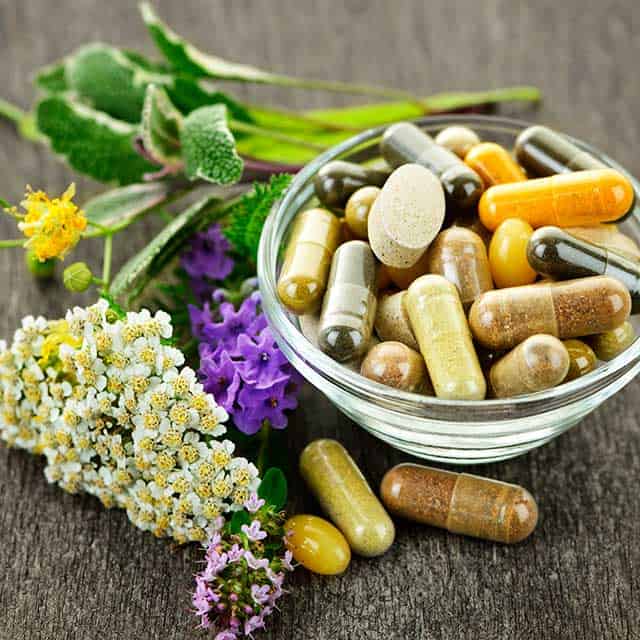
Smoothies are great all on their own, but why not upgrade your daily concoction with nutrient-rich boosts? From immune-boosting echinacea to antioxidant powerhouse matcha powder, we’ll show you how to supercharge your juice or smoothie.
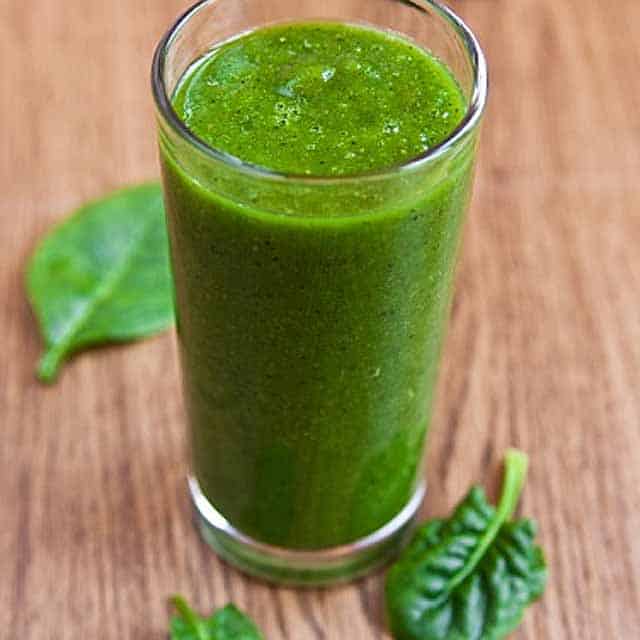
Flax
Ground seeds add a slightly sweet, nutty flavor and helps to thicken the texture of the shake. Simply grind them up in a coffee grinder before adding to your smoothie.
Chia
Chia seeds have a mild, slightly nutty flavor. Add up to two tablespoons for a healthy dose of Omega-3s, protein, calcium, phosphorus and manganese. Soak the whole seeds for about 10–15 minutes just prior to blending. The soaked seeds become gelatinous and blend up well in a high-speed blender.
Almond Butter
Almond butter isn’t just for spreading on sandwiches or fruit slices. It also makes a healthy addition to your morning smoothies, yielding a creamier texture, thicker consistency, and nuttier flavor. Almond butter provides an ideal replacement for peanut butter for those who are allergic to it because it’s rich in vitamin E, magnesium and potassium.
Whey Protein Powder
Whey protein is naturally rich in branched-chain amino acids (BCAAs) and L-glutamine, which prevents muscle depletion caused by exercising. In fact, it contains the highest levels of BCAAs of any other natural food source. Supplementing your smoothie with all-natural Sprouts Whey Protein also boosts the body’s ability to fight infection, enhances endurance and builds lean muscle mass. Try our great-tasting Chocolate, Vanilla and Strawberry flavors.
Matcha Green Tea Powder
Matcha green tea powder boosts the antioxidant value of any smoothie. It may also give you a spike of energy and a stronger immunity. To make a matcha-enriched smoothie, place one teaspoon of matcha powder into a cup, then add a bit of hot water. Whisk the mixture until a smooth paste forms. Add the paste to your favorite smoothie and blend well.
Echinacea
Echinacea is a plant that is widely used to help the body fight off many ailments, including flu and colds. People often add echinacea to morning smoothies during winter months to help reduce the duration of an illness and fight bacterial infections.
Wheat Germ
Wheat germ is the nutrient-rich embryo of a whole-wheat kernel. It’s rich in B vitamins, essential fatty acids, amino acids, vitamin E and fiber. Four tablespoons of wheat germ will add approximately 4 grams of fiber, 7 grams of protein and 100 calories to your smoothie, according to the U.S. Nutrient Database. If you want fewer calories, add only one tablespoon for 25 calories.
Coconut Oil
If you’re looking for more energy, stronger bones and healthier skin, add coconut oil to your smoothies. When you blend up your smoothie be sure to add your coconut oil near the beginning before you start adding your cold ingredients. This prevents coconut oil clumps in your smoothie.
Cocoa
Cocoa powder is jam packed with flavanols—the compounds that make chocolate good for you. However, unlike chocolate, it’s low in calories, contains no sugar and is virtually fat-free. Add a tablespoon of cocoa powder for a heart-healthy boost. In our humble opinion, cocoa powder tastes best in smoothies made with bananas and/or nut butter.
Ginger Root
According to the
New York Times, scientists have found in a variety of studies that ginger eases nausea and vomiting stemming from sea sickness, morning sickness and chemotherapy. Fresh ginger root tastes great in most green smoothies; namely kale, collards and spinach, and is especially nice with apple. It’s a great way to add warmth to your smoothie.



 Did you know that pineapple has been used for centuries in Central and South America to reduce inflammation? It contains bromelain, a mixture of enzymes that digest protein. The
 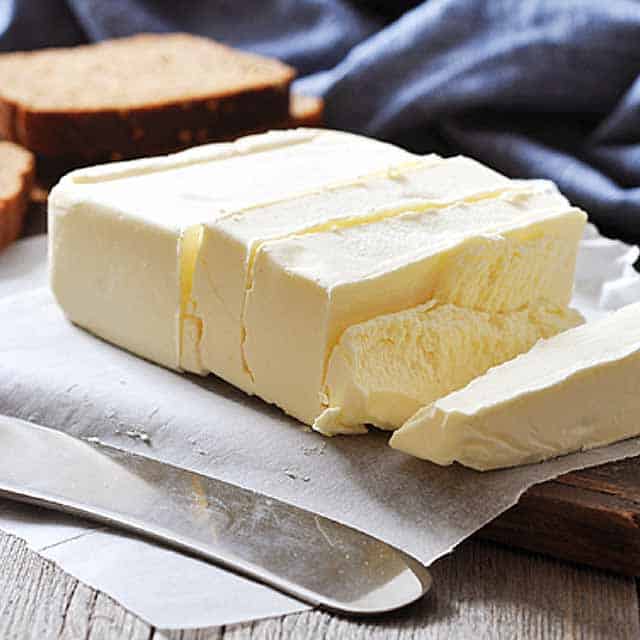 Back in the 1970s, scientists identified fat as a major risk toward heart disease. The idea was that fat turned into cholesterol and high cholesterol caused heart disease. In the 1990s, scientists realized that there are two types of cholesterol in the body: the high-density lipoprotein (HDL) particles, often called “good” cholesterol; and the low-density lipoprotein (LDL) particles, often referred to as the “bad” cholesterol. We were warned to avoid saturated fats like butter, cheese and meat because these foods contained the “bad” cholesterol which aggressively increases levels of LDLs, thus increasing our risk for cardiovascular disease.
Recently, scientists discovered two different kinds of bad cholesterol particles. One is large and fluffy and the other is small and dense. According to research, it’s the small and dense LDL particles—most likely caused by elevated insulin levels—that increase the risk of heart disease. In moderation, saturated fats like dairy, meat, bacon, butter and coconut oil may not increase the risk of heart disease.
Back in the 1970s, scientists identified fat as a major risk toward heart disease. The idea was that fat turned into cholesterol and high cholesterol caused heart disease. In the 1990s, scientists realized that there are two types of cholesterol in the body: the high-density lipoprotein (HDL) particles, often called “good” cholesterol; and the low-density lipoprotein (LDL) particles, often referred to as the “bad” cholesterol. We were warned to avoid saturated fats like butter, cheese and meat because these foods contained the “bad” cholesterol which aggressively increases levels of LDLs, thus increasing our risk for cardiovascular disease.
Recently, scientists discovered two different kinds of bad cholesterol particles. One is large and fluffy and the other is small and dense. According to research, it’s the small and dense LDL particles—most likely caused by elevated insulin levels—that increase the risk of heart disease. In moderation, saturated fats like dairy, meat, bacon, butter and coconut oil may not increase the risk of heart disease.